A customer is back for a repeat concern. The vehicle was in last week, the part is now delayed, the technician notes are not final, and the customer is asking whether the repair will be covered under warranty. They also want to know why nobody called sooner.
That is not a normal customer service email. In a franchised dealership service department, one sentence can create an expectation about warranty coverage, pricing, timing, refunds, goodwill, loaners or fault that the advisor may not have authority to approve.
This is where AI complaint response wording for service advisors can help, if it is used carefully. AI can clean up a rough draft, soften defensive wording, organize notes and help you acknowledge the customer calmly. It should not decide the facts, the policy position or the outcome.
The safest mindset is simple: use AI as a drafting assistant, not as the dealership voice of authority. You provide the verified information. You set the boundaries. A human reviews the response before it goes to the customer.
Quick answer: AI can help dealership service advisors draft calmer complaint responses by turning verified repair order details and customer concerns into a clear first draft. It should not decide warranty coverage, pricing, diagnosis, refunds, goodwill, loaner availability, repair timing, liability or final complaint outcomes.
- Confirm the facts from the RO, advisor notes, technician-approved notes and approved customer updates.
- Separate the customer concern from what the dealership has verified.
- Ask AI for a neutral acknowledgement, not a final decision.
- Check the draft for overpromises before sending.
- Escalate warranty, pricing, refund, goodwill, loaner, repeat-repair, safety or legal-sensitive points to the right person.
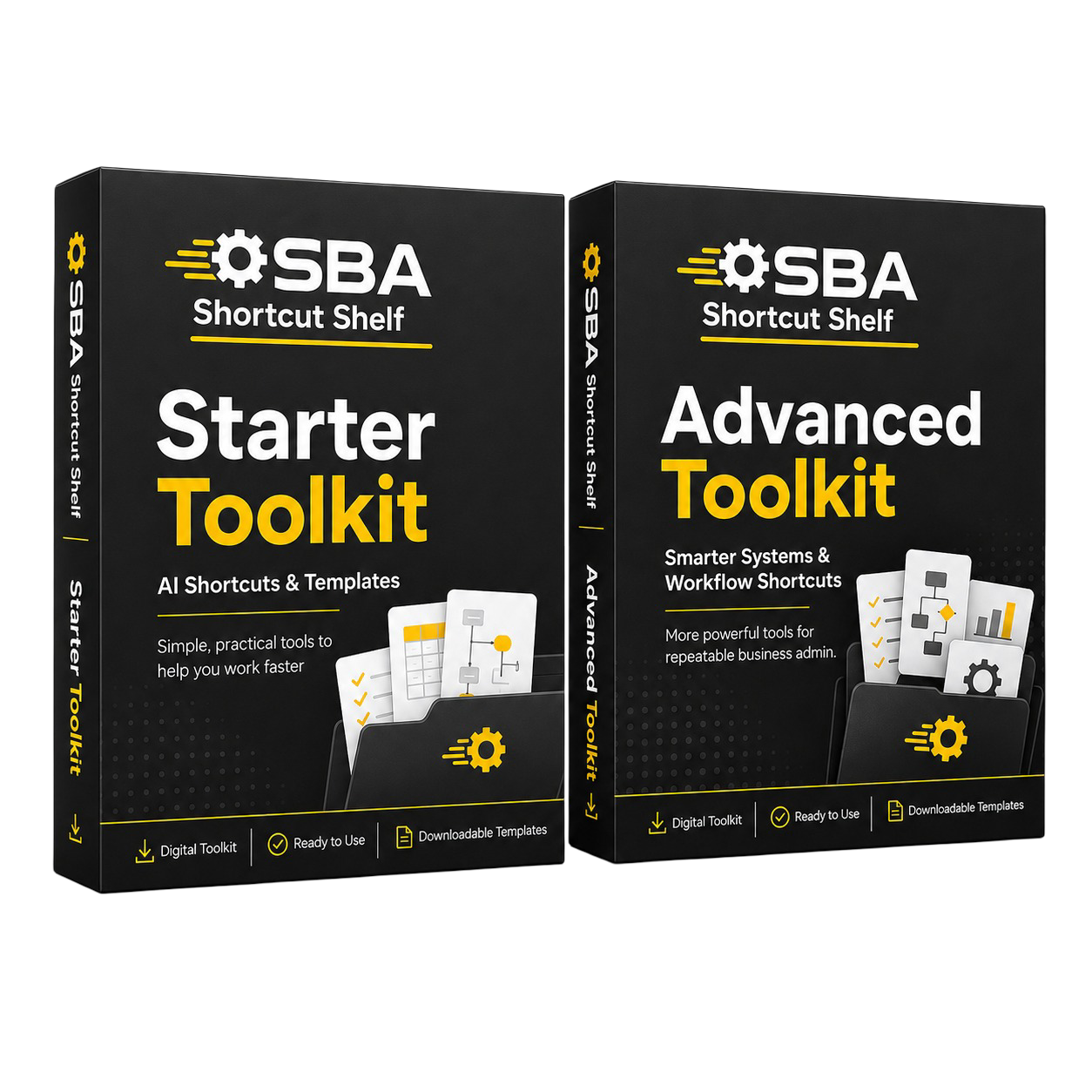
If you want the shortcut version of this workflow: the Advanced AI Toolkit for US Dealership Service Advisors in Franchised Dealerships packages role-specific prompts, review routines and escalation-summary support for service advisor workflows. It is designed to help you build repeatable drafting steps, while still keeping warranty, pricing, goodwill, loaner and final customer decisions with the right dealership people.
Affiliate disclosure: This article may contain an affiliate link, which means SBA Shortcut Shelf may earn a commission, at no extra cost to you. For dealership service teams that want a consistent internal way to capture complaint facts, pending checks and escalation notes before human review, Jotform is one option to consider.
Why complaint wording is risky in a dealership service department
Service lane complaints often arrive before the full picture is clear. A customer may be upset about a comeback concern, an unexpected charge, a disputed diagnosis, a delayed part, a loaner request or a repair they expected to be covered. The advisor is trying to keep the customer informed while the technician, parts department, warranty administrator or manager may still be reviewing the details.
That creates pressure. You want to sound helpful, but you may not yet know whether a concern is related to the prior repair, whether coverage applies, when a part will arrive, whether goodwill is available or whether a refund request can be approved.
Careful wording can calm the customer and show that the dealership is taking the concern seriously. Careless wording can create expectations the dealership has not approved. Phrases like we will cover it, this will be done tomorrow, we should have caught that or we can get you a loaner may feel helpful in the moment, but they can cause problems if the facts or approvals are not in place.
The goal is not to sound cold or evasive. The goal is to be clear, empathetic and accurate. In a dealership service complaint response, good wording usually does three things: acknowledges the concern, sticks to confirmed facts and explains the next review step without promising the final outcome.
What AI can safely help with, and what it should never decide
AI is useful when the task is wording. It is risky when the task is deciding. A service advisor can use AI to make a response easier to read, less defensive and better structured. The advisor should not use AI as the authority on warranty, pricing, diagnosis, policy, fault, compensation or legal-sensitive issues.
Safer uses for AI
- Summarizing confirmed facts from notes you provide.
- Drafting a calm acknowledgement of the customer concern.
- Making a rough response less defensive or less emotional.
- Organizing a timeline for a service manager escalation.
- Separating confirmed facts, customer statements and pending items.
- Flagging wording that may sound like an unsupported promise.
Unsafe uses for AI
- Inventing missing repair details or filling gaps in the RO.
- Deciding whether a repair is covered under warranty.
- Promising a completion date or part arrival date without approval.
- Admitting fault or liability on behalf of the dealership.
- Approving refunds, goodwill adjustments, discounts or loaners.
- Creating policy, legal, recall, privacy or compliance statements.
This article is practical workflow guidance, not legal advice or dealership policy. AI output should be reviewed by a human before sending, especially when the complaint involves money, safety, repeat repairs, warranty, recalls, legal-sensitive statements or customer data.
A safer AI workflow for drafting a complaint response
The workflow below is designed for a busy service day. It is not a replacement for your dealership process, OEM procedures, warranty administration, manager approval or customer record system. It is a drafting routine that helps keep the AI inside safer boundaries.
- Pull together confirmed facts. Use the repair order, advisor notes, technician-approved notes and any approved customer updates. Keep the facts short and specific. For example: vehicle arrived Tuesday, concern documented as intermittent no-start, diagnostic inspection still pending, part on order, customer called twice for update.
- Write the customer concern in plain language. Avoid judging the customer. Use neutral wording such as customer is concerned the same issue has returned or customer is requesting review of the unexpected diagnostic charge.
- List what is still unknown. This is important. Pending diagnosis, warranty review, parts ETA, manager review, loaner availability or goodwill approval should be clearly marked as pending, not assumed.
- Tell AI what it may and may not include. Give AI strict boundaries. Tell it to use only confirmed facts. Tell it not to promise coverage, pricing, refund, goodwill, loaner availability, completion time, diagnosis or final outcome.
- Ask for a calm acknowledgement, not a final decision. The first response often needs to show the customer they were heard and explain the next review step. It does not need to solve every issue in one email.
- Review for overpromises. Read the draft like a service manager, warranty administrator and customer would read it. Remove anything that sounds like a guarantee, admission, discount approval or final decision.
- Escalate sensitive points. Warranty disputes, unexpected charges, goodwill requests, refund demands, loaner requests, repeat repairs, safety concerns, recall-related questions, threats of legal action and major communication breakdowns should go to the right manager or authorized person before a final response is sent.
- Send only after human review. If the response affects a customer relationship, money, safety, official records or dealership policy, do not rely on AI alone. Use the dealership-approved channel and recordkeeping process.
This routine also works for internal notes. AI can help turn messy call notes into a clean escalation summary, as long as it is not asked to recommend the final decision.
How to prompt AI without feeding it unsafe assumptions
The quality and safety of an AI-assisted draft depends heavily on what you give it. If you feed AI guesses, it may turn those guesses into confident wording. If you give it confirmed facts, pending items and clear exclusions, the draft is more likely to stay useful.
Before using any AI tool, follow your dealership policy for customer information, DMS or CRM records, approved systems and data handling. If policy requires it, remove names, phone numbers, VINs, addresses, plate numbers or other personal details and use placeholders instead.
Prompt ingredients to include
- The customer concern in plain, neutral language.
- Confirmed RO facts and technician-approved information.
- Current status of the repair, diagnosis, parts order or review.
- Items that are still pending or unknown.
- Any approved policy wording your dealership allows you to use.
- The tone you want, such as calm, professional and non-defensive.
- Forbidden commitments, such as no warranty decision, no pricing promise and no completion time.
Prompt example 1: acknowledgement draft
Draft a calm acknowledgement for this service complaint using only the confirmed facts below. Do not promise warranty coverage, pricing, refund, goodwill, loaner availability, repair timing or final outcome. Include a short statement that we are reviewing the concern and will update the customer after the appropriate team has reviewed the information. Confirmed facts: [insert facts]. Customer concern: [insert concern]. Pending items: [insert unknowns].
Safety note: Use this for a first draft only. Verify all facts and remove any wording that implies approval, liability, coverage or compensation before sending.
Prompt example 2: overpromise check
Review this draft complaint response and flag any wording that may overpromise, sound defensive, blame the customer, admit fault, guarantee a diagnosis, guarantee a completion time or approve a refund, goodwill adjustment, warranty decision or loaner vehicle. Draft: [paste draft].
Safety note: This is a tone and risk-spotting prompt, not a legal, compliance or dealership policy review. A manager or authorized dealership representative must still review sensitive cases.
Prompt example 3: manager escalation summary
Turn these notes into a concise escalation summary for the service manager. Separate confirmed facts, customer statements, timeline, pending diagnostic or parts information, requested outcome and decisions needed. Do not recommend a final decision. Notes: [insert notes].
Safety note: AI should organize the information, not decide the outcome. The final decision stays with the service manager, warranty administrator, service director or other authorized person.
The complaint response review checklist
Before sending a dealership service complaint email draft, slow down for a short review. This is especially important if the AI draft sounds polished, because polished language can still include an unsupported promise.
The checklist below is meant to help advisors separate facts, customer concerns, AI wording and approval points. It does not replace dealership policy, OEM guidance, legal review, warranty administration or manager approval.
If your team receives complaints through different channels, such as phone calls, emails, text messages or web forms, the same checklist can also help create a cleaner escalation summary for the service manager.
Where this fits in the service department workflow
This process is most useful when the advisor needs wording support but does not yet have final authority to decide the outcome. Common use cases include complaint acknowledgement drafts, delayed repair updates, repeat-visit summaries, warranty-sensitive explanations that need review and manager escalation notes.
It can also help service lane leads standardize how advisors prepare information before escalating. Instead of forwarding a long emotional email chain with partial notes, the advisor can send a clean summary with confirmed facts, customer statements, pending items and decisions needed.
If your dealership policy allows simple internal forms outside your core systems, a tool such as Jotform can be used to turn the checklist into a basic complaint intake form for consistent internal capture of facts and escalation notes. It should not be treated as a replacement for your CRM, DMS, dealership-approved complaint process, customer record system or compliance review.
However you capture the information, keep the final response inside your approved dealership workflow. AI can help prepare the wording, but the approved sender, channel, customer record and final message should follow your store or dealer group process.
Dealership service complaint response review checklist
Use this checklist before sending an AI-assisted complaint response or before escalating a complaint to a manager. The aim is to catch risky wording before it reaches the customer.
1. Confirmed facts
- Have I checked the repair order and advisor notes?
- Have I used only technician-approved diagnostic or repair information?
- Have I separated confirmed facts from assumptions?
- Have I avoided adding details that are not in the RO, notes or approved updates?
2. Customer concern
- Does the draft capture what the customer is upset about?
- Does it mention the requested outcome, such as refund, goodwill, loaner, warranty review, explanation or status update?
- Is the wording neutral rather than judgmental?
- Does it avoid blaming the customer, technician, advisor, parts department or previous visit?
3. Unknowns and pending items
- Are pending diagnostic steps clearly labeled as pending?
- Is warranty review described as review, not approval?
- Are parts timing, completion timing and loaner availability left open unless approved?
- Are refund, goodwill or price adjustment requests shown as needing review?
4. AI wording checked
- Did AI invent any facts, dates, prices, diagnosis details or promises?
- Does the draft sound too certain about the outcome?
- Does the message sound calm and professional without sounding dismissive?
- Would a customer reasonably read the wording as a promise?
5. Approval points
- Warranty decision needed from the warranty administrator or authorized person.
- Pricing, refund, discount or goodwill decision needed from the right manager.
- Loaner or alternate transportation decision needed from the authorized person.
- Repeat repair, comeback, safety, recall-related or legal-sensitive concern needs escalation.
- Service manager or service director review needed before sending.
6. Wording to remove before sending
- Guaranteed coverage: Remove phrases that say or imply the repair will definitely be covered unless that has been approved.
- Definite completion times: Remove promises such as it will be ready tomorrow unless the timing is approved and appropriate to state.
- Blame admissions: Remove wording that admits fault, liability or responsibility unless authorized.
- Unapproved compensation: Remove promises of refunds, goodwill, discounts, waived fees or loaners unless approved.
- Unsupported diagnosis: Remove any diagnosis language that does not match technician-approved information.
7. Final send check
- Is the final sender approved for this type of response?
- Is the channel correct, such as email, text, phone follow-up or dealership-approved system?
- Has recordkeeping been handled through the approved dealership process?
- Has a human reviewed the message before it goes out?